When I visited the developing Rivoli venue last Saturday, the first impression was a mix of excitement and uncertainty. At normal working days the site is probably alive with construction activity, crews working across multiple levels, and large sections still in skeletal form. I visited at Saturday to it quiet, very quiet at the site. Even unfinished, Rivoli is clearly envisioned as a fun new destination. Yet the sheer volume of ongoing work makes it evident that completion is still some distance away.
The driving force behind this ambitious project is Henny van der Most, a Dutch entrepreneur famous for turning unconventional sites into thriving entertainment and leisure destinations. Throughout his career, Van der Most has built a reputation for daring transformations: massive factories reimagined as theme parks, industrial complexes converted into multi-purpose event halls, and forgotten spaces turned into attractions. Rivoli fits perfectly within this signature style—an ambitious, creative venture that aims to stand out.
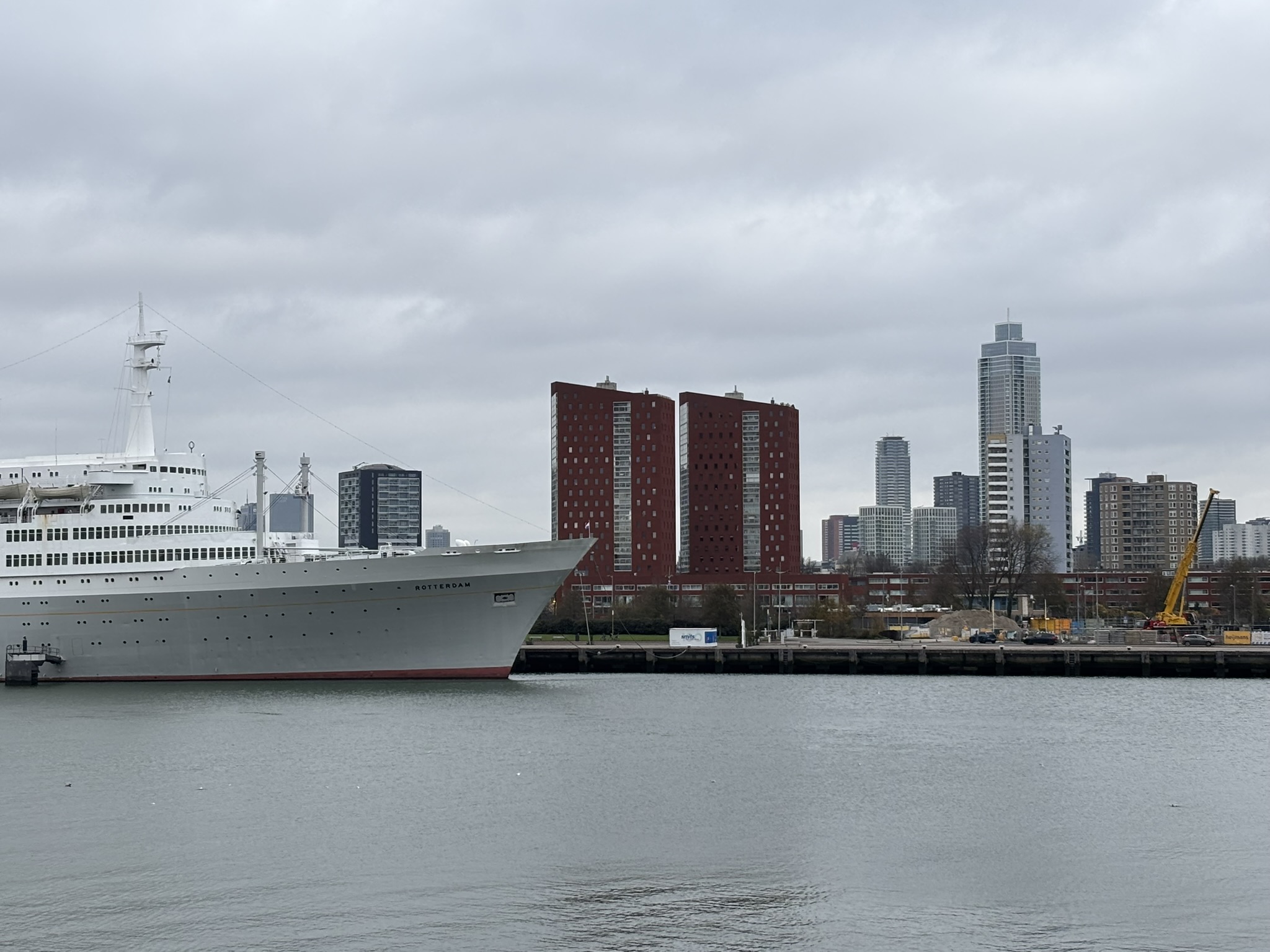
Part of what makes Rivoli particularly unique is its extraordinary location at the docks of Rotterdam. Set along one of the most iconic harbor areas in Europe, the venue is positioned amidst the raw, industrial atmosphere that defines the city’s port. This maritime setting gives Rivoli an edge that few venues can match: the blend of waterfront views, historic docklands, and gritty industrial character sets the stage for something strikingly different.
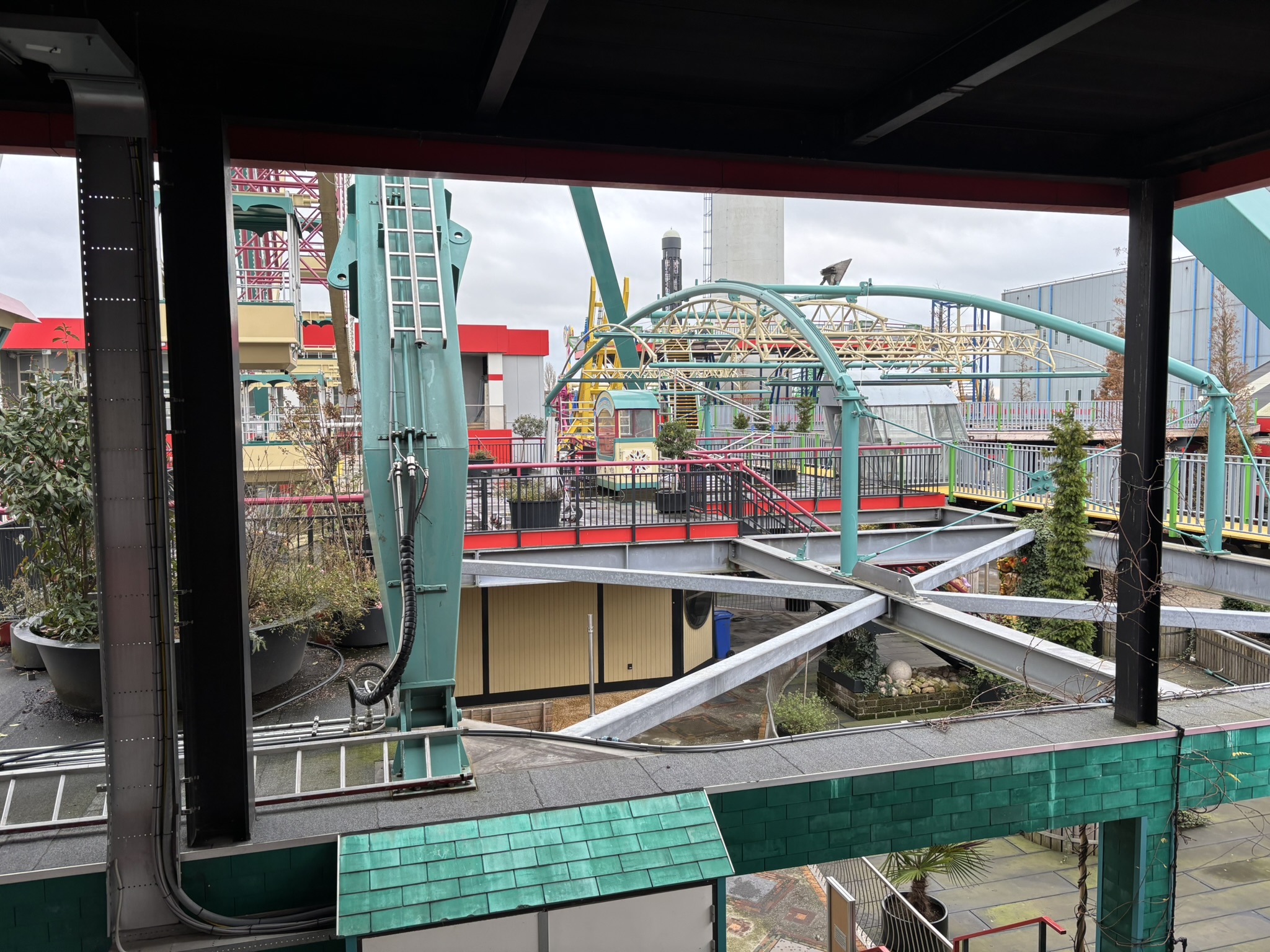
Adding even more intrigue, Rivoli is being built on the grounds of a former waste incineration plant. This history gives the site a gritty, storied backdrop, perfectly aligned with Van der Most’s talent for reviving unexpected places. A earlier project, still in operation is Kernies Wunderland. Transforming a place into a cultural and entertainment hub is the kind of dramatic reinvention that defines his career. If executed successfully, the contrast between the site’s past and future could become one of Rivoli’s most compelling features.
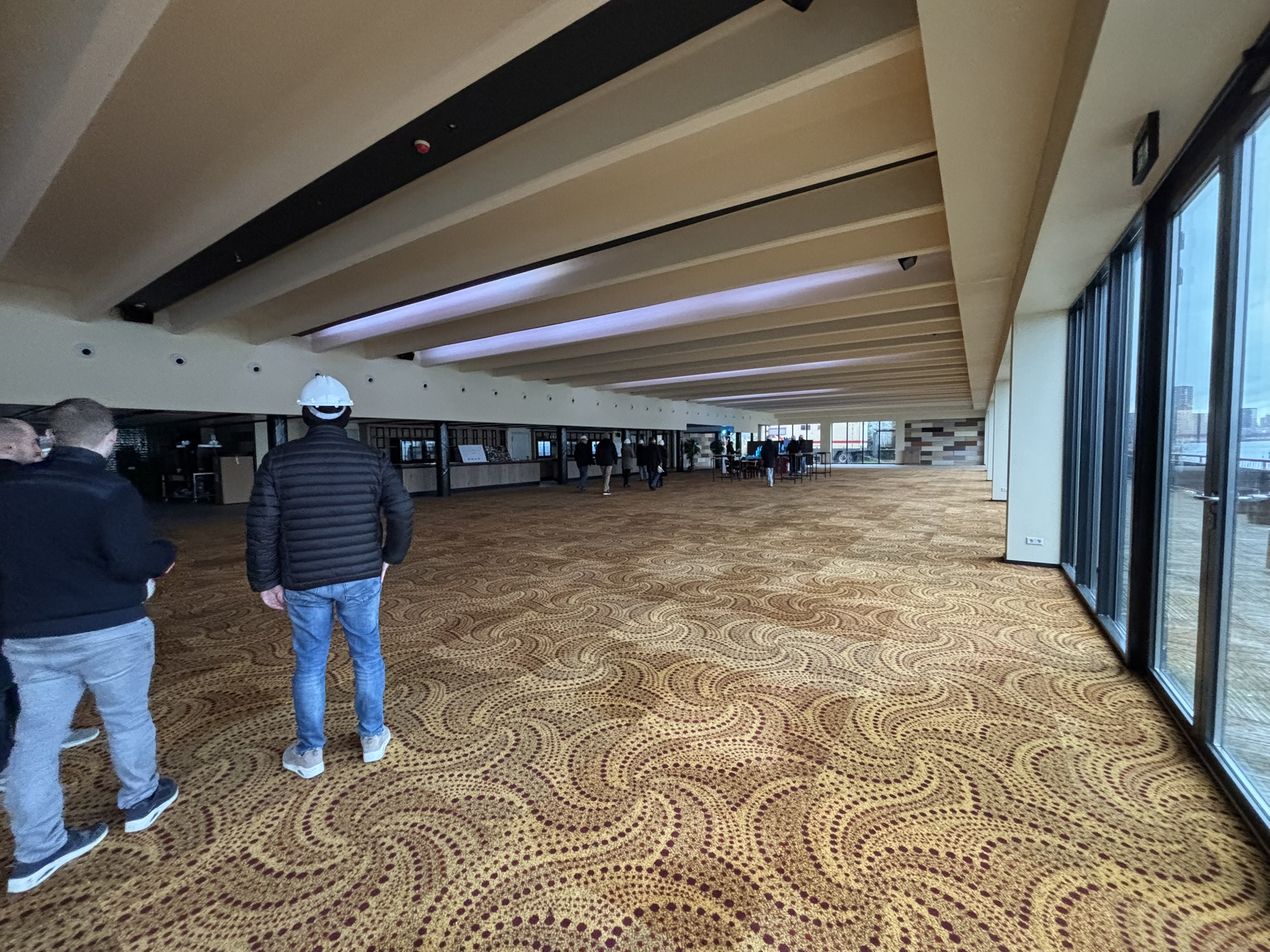
However, walking the fairgrounds during the visit made it clear that the road to completion is far from smooth. Many areas still require major structural work, and essential installations appear to be in early stages. The ambition is apparent everywhere, but so is the amount of work still left to do.
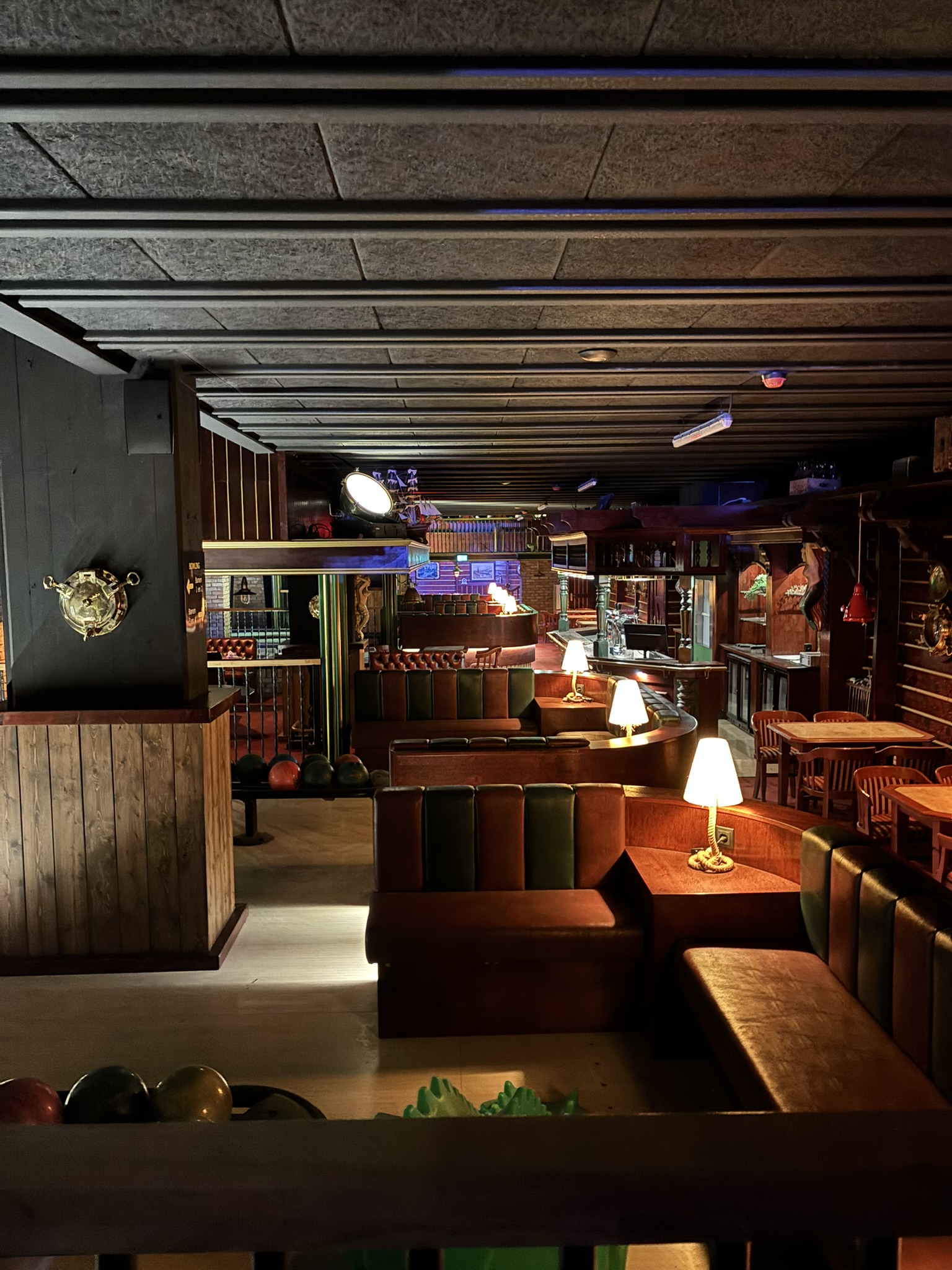
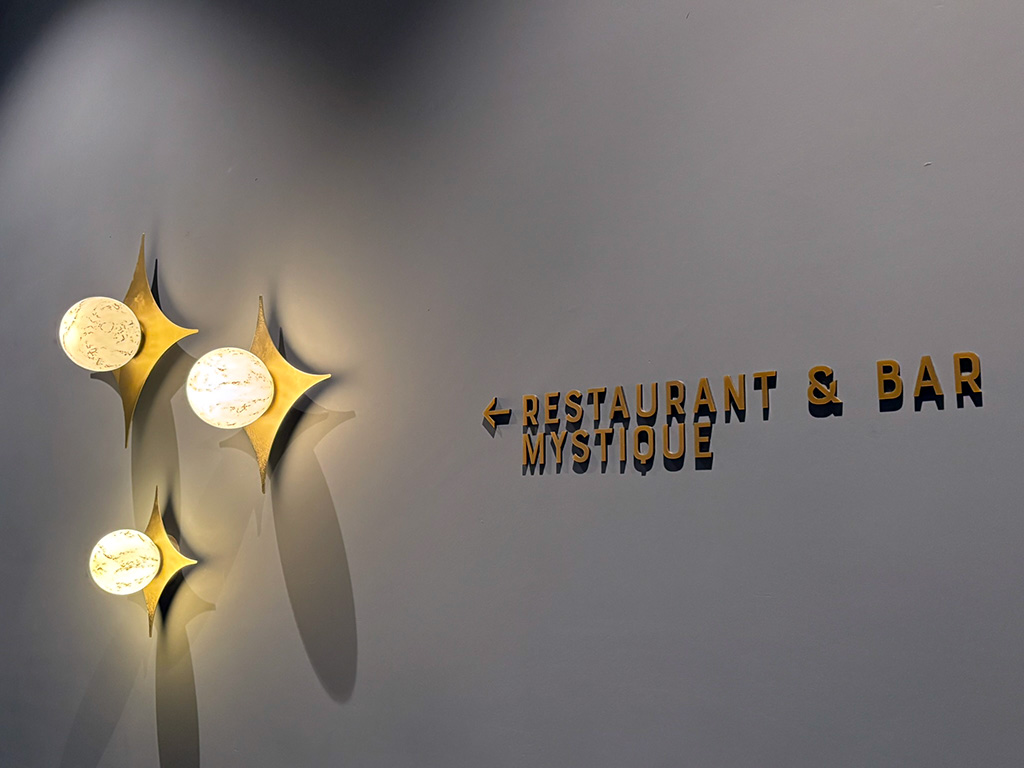
There are a lot of subprojects which simply look ready to open as a large restaurant/bar area, a bowling alley, glow-in-the-dark minigolf and a mysterrious dungeon where you can roam around.
Which brings us to the unavoidable question: will Rivoli realistically be ready to open in 2025, or is that goal overly optimistic? Based on the current pace and the scale of what remains unfinished, doubts seem justified. Delays are common in projects of this magnitude, and Rivoli is no exception. The project started in 2012. We may even wonder whether the venue will manage to open at all if further complications arise.
In the end, Rivoli stands as a symbol of bold vision—combining industrial heritage, a striking harbor location, and the distinctive imagination of Henny van der Most. Whether that vision will reach completion in 2025—or ever—remains an open and uncertain question nobody knows.